Water inside? What should happen next?
Start with safety, then gather a few useful details. Keep children and pets away from wet rooms. If water is near outlets, appliances, or an electrical panel, stay clear. Do not enter standing water to reach a switch or retrieve belongings.
Recoveredreplacement Restoration connects homeowners in Greensboro with independent local water damage restoration providers. Tell us where the water appeared, whether it is still entering, and which parts of the home are affected. A local provider can discuss availability and the assessment process.
Request a callback to check provider availability for new water damage. Mention any blocked doorway, affected bathroom, or room your family relies on each day. Those details help the provider understand the disruption before discussing the job.
Request Help
Not sure whether a damp patch needs attention? A spreading ceiling mark, soft baseboard, or persistent musty smell is worth describing. You do not need to identify the cause before making a request.
If writing is easier while you manage the household, use the estimate request form. Include what you noticed and when it started. The provider determines the work needed after assessing the property.
Request Help
Who helps?
What does Recoveredreplacement Restoration handle?
Recoveredreplacement Restoration is a referral service. It helps homeowners connect with independent providers in our network for water damage concerns. It does not inspect buildings, perform water extraction, operate drying equipment, or carry out repairs. Any assessment, work agreement, and restoration service comes from the provider you choose to hire.
That distinction matters when you have questions. Ask the provider about the proposed scope, equipment placement, access needs, and pricing. You decide whether to proceed after reviewing the information supplied for your home.
What should you explain first?
Begin with the water you can see and any changes you have noticed. A wet hallway after a plumbing leak tells a different story from dampness returning along an exterior wall. Mention whether the source has been addressed, but avoid opening walls or entering unsafe spaces to investigate.
Explain how the affected area fits into daily life. Is it the route to a bedroom? Does it hold laundry appliances? Are stored belongings blocking access? These details can help the provider discuss workable arrangements. Scheduling and room access depend on the damage, safety conditions, and provider availability.
How can you keep decisions manageable?
Ask for the proposed work in writing. Separate questions about removing water, drying materials, and repairing damaged finishes. These may involve different steps, costs, or arrangements. Before authorizing work, ask what is included and what could change after closer inspection.
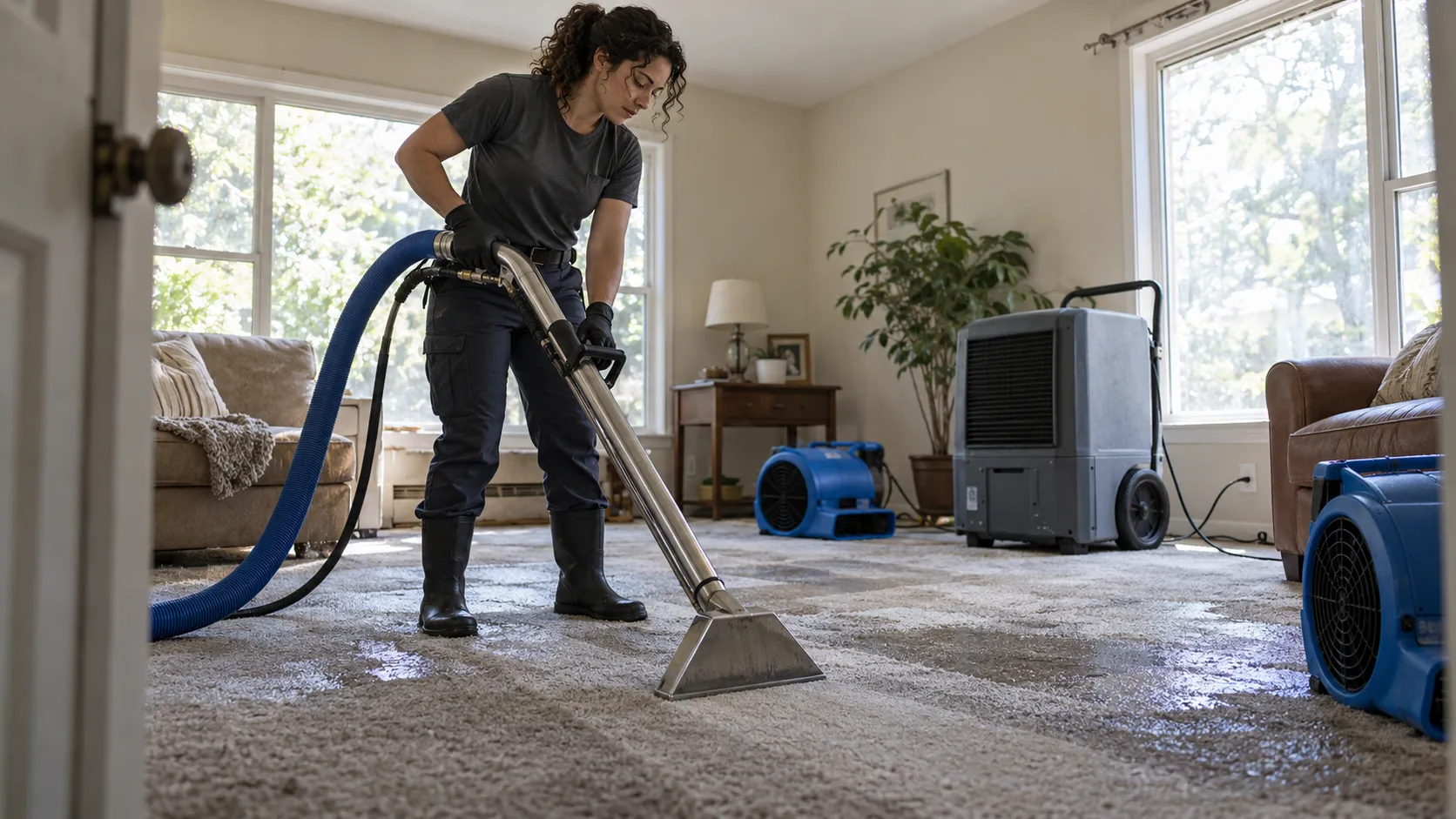
You can also ask how progress will be checked and when the provider expects to review the plan. Drying equipment may affect noise, movement, and room use. Knowing where it will sit helps you plan meals, rest, and household tasks.
The aim is a clearer conversation about your property. Recoveredreplacement Restoration helps make the connection; the provider explains the job and performs the work. Keep the provider’s written details handy so household members can follow the same access and safety instructions.
Is your home nearby?
Recoveredreplacement Restoration accepts referral requests from homeowners in Greensboro and across the Piedmont Triad area. Provider coverage varies by address and service needed. Share your location and a short description of the damage so availability can be checked for your request.
Does your home have a crawl space, a slab foundation, or a basement? Mention it if you know. Water may be visible in one room while affected materials extend into another space. You do not need to enter a crawl space or move heavy items to supply that information.
Older houses and newer subdivisions can present different access questions. Narrow passages, additions, attached storage, and occupied bedrooms may shape how a provider approaches an assessment. Explain any access limits before a visit is arranged.
Request a callback to check provider availability for your address. If several areas of the home are wet, describe each one rather than naming only the room with the largest puddle.
Request Help
Outside the main city? Use the request form to share your address and the affected spaces. A submitted request does not confirm coverage or an appointment. The provider must confirm those details, along with the service it can offer for your property.
What deserves a closer look?
Is that small mark changing?
A ceiling stain that grows, paint that starts bubbling, or flooring that feels different can point to a moisture problem. Note when the change appeared and whether it follows rain or appliance use. Take photos from a safe, dry spot so you can explain what changed.
Did the room dry, or just the surface?
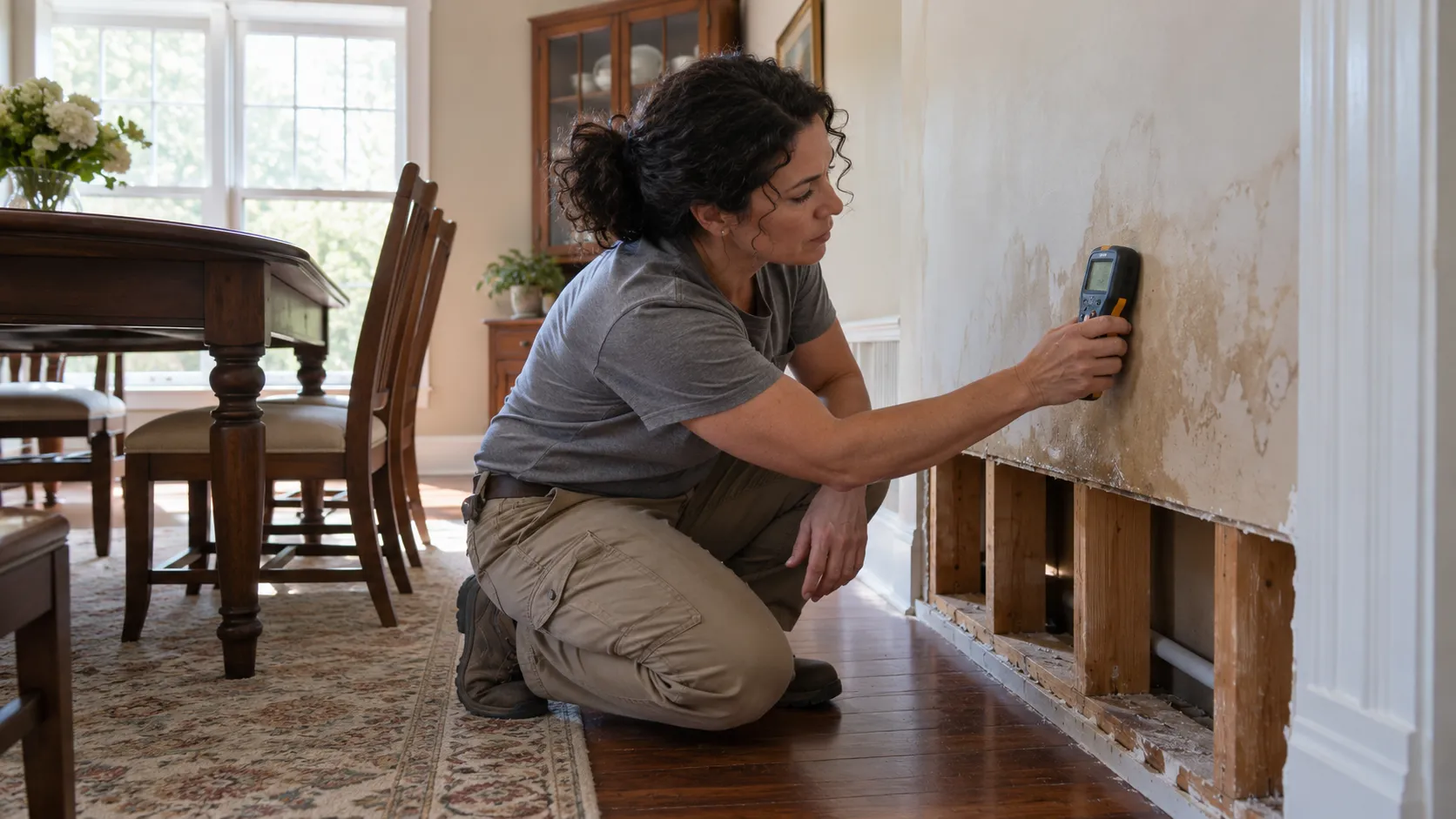
A wiped floor does not tell you whether nearby materials are dry. Ask the provider how it checks moisture and decides where structural drying is needed. Avoid covering a damp area with rugs or furniture while you wait for advice about the affected materials.
Does summer dampness explain the smell?
Hot, humid weather can make rooms feel clammy, but a new musty smell deserves attention. Describe where it is strongest and whether it returns after cleaning. A provider can assess the concern and explain whether further moisture investigation or a separate mold service may be appropriate.
What changed after the storm?
Thunderstorms and remnants of tropical systems can bring wind-driven rain. Check accessible indoor areas for new marks or dampness after conditions are safe. Following an ice storm, mention any plumbing leak you notice as conditions warm. Leave roof access and hidden-space inspection to an appropriate professional.
Can the household use nearby rooms?
Ask the provider which areas should stay clear and whether doors need to remain open or closed. Equipment, hoses, and wet flooring can change familiar walking routes. Discuss sleeping spaces, pet access, and the route to a usable bathroom before making plans for the next few days.
What if the basement water looks dirty?
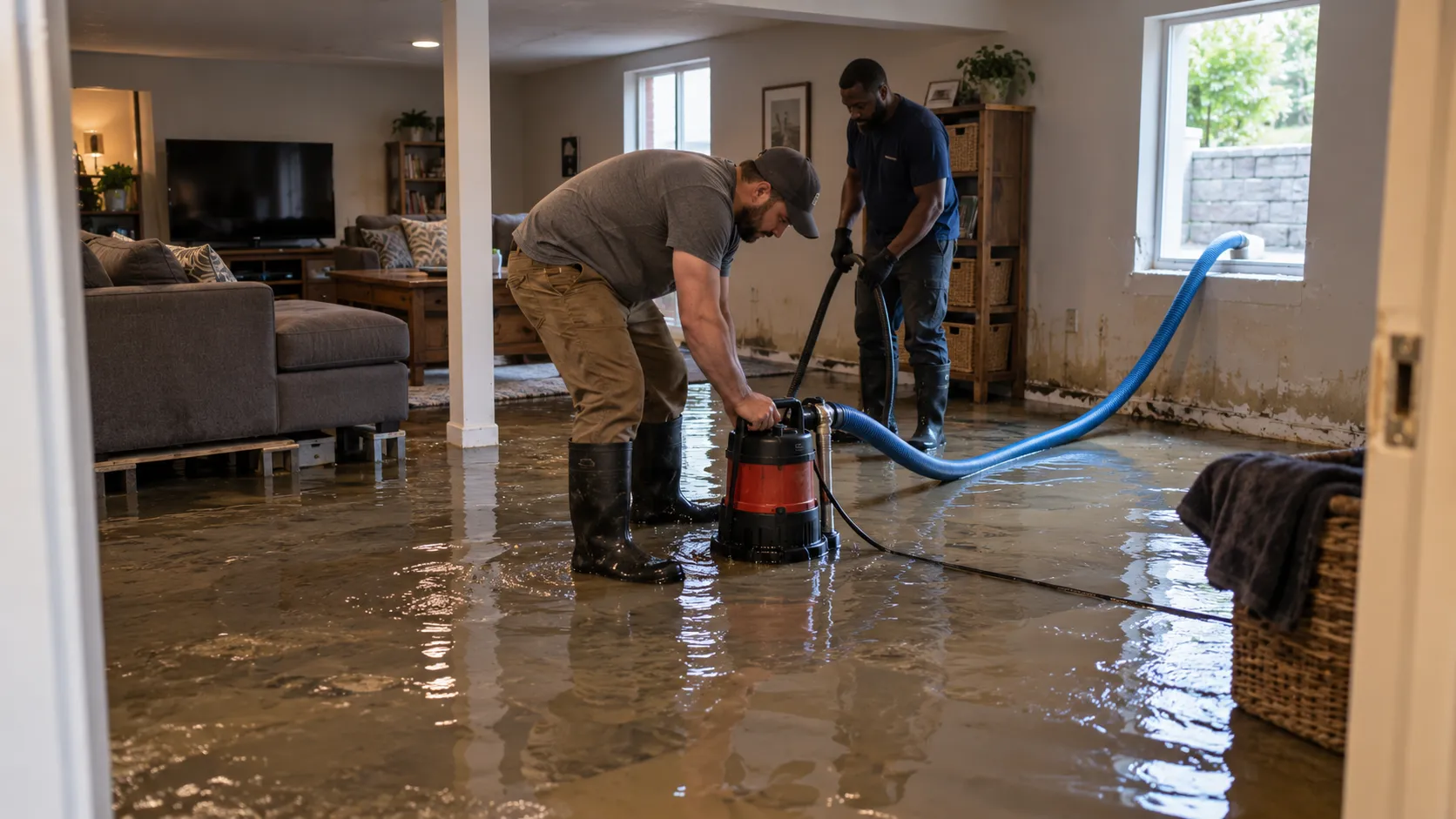
Keep out when the source is uncertain or sewage may be involved. Flooded basement cleanup can require different handling from a clean plumbing leak. Tell the provider about visible debris, odors, and any nearby drain backup without stepping into the water to investigate.
What belongs in your notes?
Record the date you noticed the problem, the rooms affected, and any steps taken to stop the source. Keep photos, written quotes, and receipts together. Some policies may cover sudden damage; check your policy. Providers can often help document damage for a claim, but your insurer determines coverage. Ask the provider whether documentation is part of its proposed service. A simple folder also makes it easier to share the same facts when more than one household member is handling arrangements.
What happens next?
Have new water damage at a home you own? Request a callback to check provider availability and describe the affected rooms. Share any safety concerns and the parts of daily life already disrupted.
Request Help
Prefer to write it down? Submit an estimate request with your location and a brief description. Recoveredreplacement Restoration connects homeowners with independent local providers. The provider confirms availability, evaluates the property, and explains pricing before you decide about work.
Request Help